Grief has been part of my story for a very long time.
The Grieving Soul began with a simple belief:
Grief deserves space.
Not a timeline. Not a formula. Not another expectation about how someone should be coping.
Space to speak. Space to remember. Space to question. Space to be angry. Space to laugh. Space to sit quietly with what cannot be changed.
The Grieving Soul is my way of creating more of those spaces.
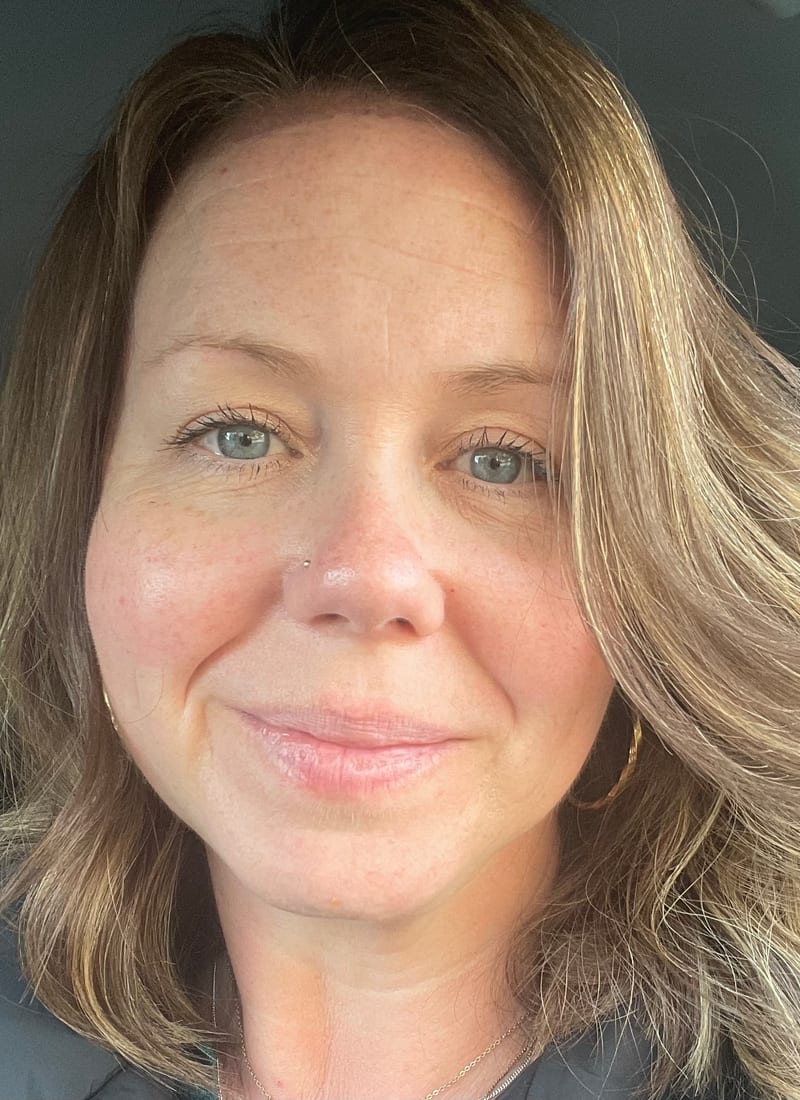
My relationship with grief is personal.
I first experienced profound loss when my brother died suddenly when I was twelve years old.
At that age, I did not have the language to understand what grief would mean or how deeply loss could continue shaping a life.
Decades later, I experienced another life changing loss when my mother died following complications related to cancer treatment.
Those losses are part of my story, but they are not the reason I believe I understand someone else's grief.
I don't.
Every relationship is different. Every loss is different. Every person's grief belongs to them.
What my own experiences have given me is a deep respect for the complexity of grief and an understanding that there is rarely a simple path through it.

The conversations that followed changed something in me.
Over time, my personal experiences with loss grew into a much broader interest in how we understand grief, mortality, death, and dying.
I became involved in community conversations around death and began facilitating Death Café gatherings in Petaluma.
Again and again, I saw how meaningful it could be when people were simply given permission to talk honestly about subjects we are often taught to avoid.
The Grieving Soul grew from that understanding.
I will not tell you how to grieve.
I don't believe there is a correct way.
I will listen. I will ask questions. I will help create space for you to explore what your grief is asking of you and what living alongside your loss looks like in your own life.
Sometimes grief needs words. Sometimes it needs silence. Sometimes it needs ritual, memory, boundaries, anger, meaning, laughter, or simply acknowledgment.
Your grief gets to be your grief.
A commitment to learning, listening and responsible practice.
My work with The Grieving Soul is informed by continuing education and a commitment to learning more about grief, human behavior, death, dying, and the ways people adapt following significant loss.
I am currently pursuing graduate study while continuing my community work and Death Café facilitation.
I also believe strongly in being transparent about the distinction between grief coaching and mental health treatment.
I am a grief coach, not a licensed therapist. The Grieving Soul does not provide psychotherapy, diagnosis, or mental health treatment.
"I do not believe grief needs to be fixed. I believe it needs somewhere to belong."